Home
The Quantum Worldviews Project
About Us
Oxford Collaboration on Theology and Artificial Intelligence (OCTAI)

Why Study Science & Religion at Oxford University? Undergraduate Courses and Graduate Studies
Rethinking Science and Religion 101: Ian Ramsey Centre 2026 Conference
Our Work
Oxford Collaboration on Theology and Artificial Intelligence
What's New
Ian Ramsey Centre to host European Conference on Science and Theology 2028
Dr Tim Middleton's Witnessing a Wounded World Wins Major International Prizes
Book Release: God's Philanthropist: John Templeton and the Pursuit of Progress
Graduate Sarah Jones Wins Prestigious Peacocke Prize for Science and Religion
Professor Mark Harris discusses quantum mechanics, theology and the ‘quantum humanities’ in Oxford Pulse feature
Ian Ramsey Centre Receives Major Gift to Advance AI and Theology Research
Ian Ramsey Centre awarded the 2026 Ayala Prize
Why was God Determined to Create Quantum Mechanics?
Dr Lyndon Drake speaks to BBC News and Radio 4 on Pope Leo’s AI encyclical
Faculty of Theology and Religion Launches the BiblioTech AI Research Initiative (BAIRI)
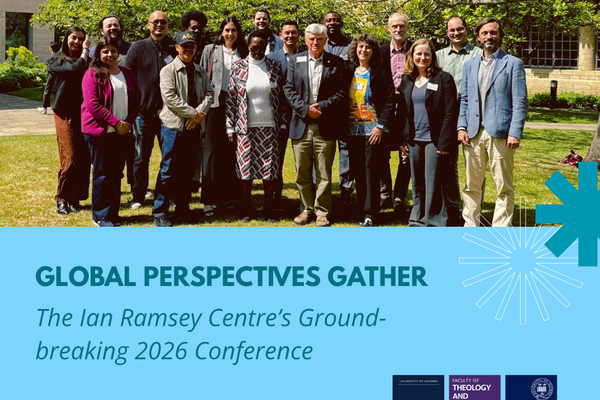
Global Perspectives Gather: Ian Ramsey Centre’s Ground-breaking 2026 Conference
Who Owns the Ethical Questions? Religion, Bioethics, and the Coming Crisis of AI Oversight
Get in touch!
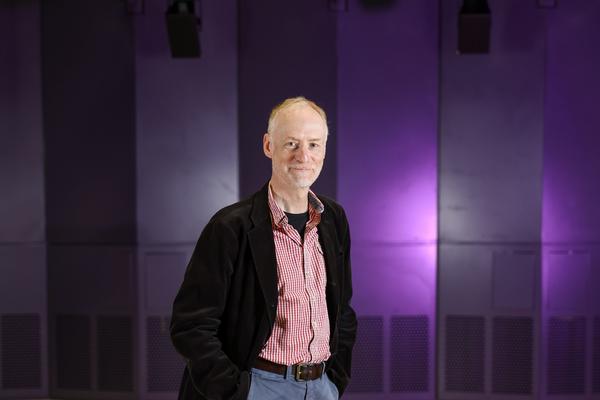
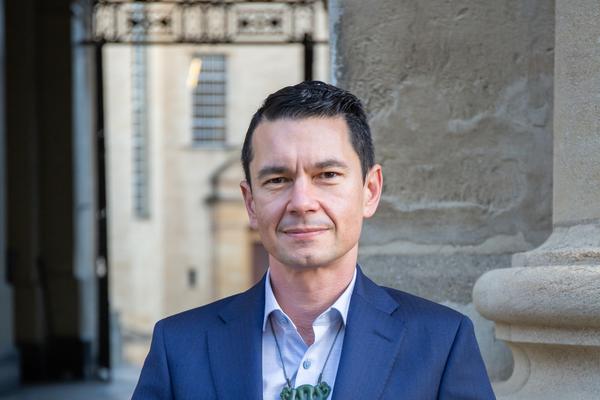
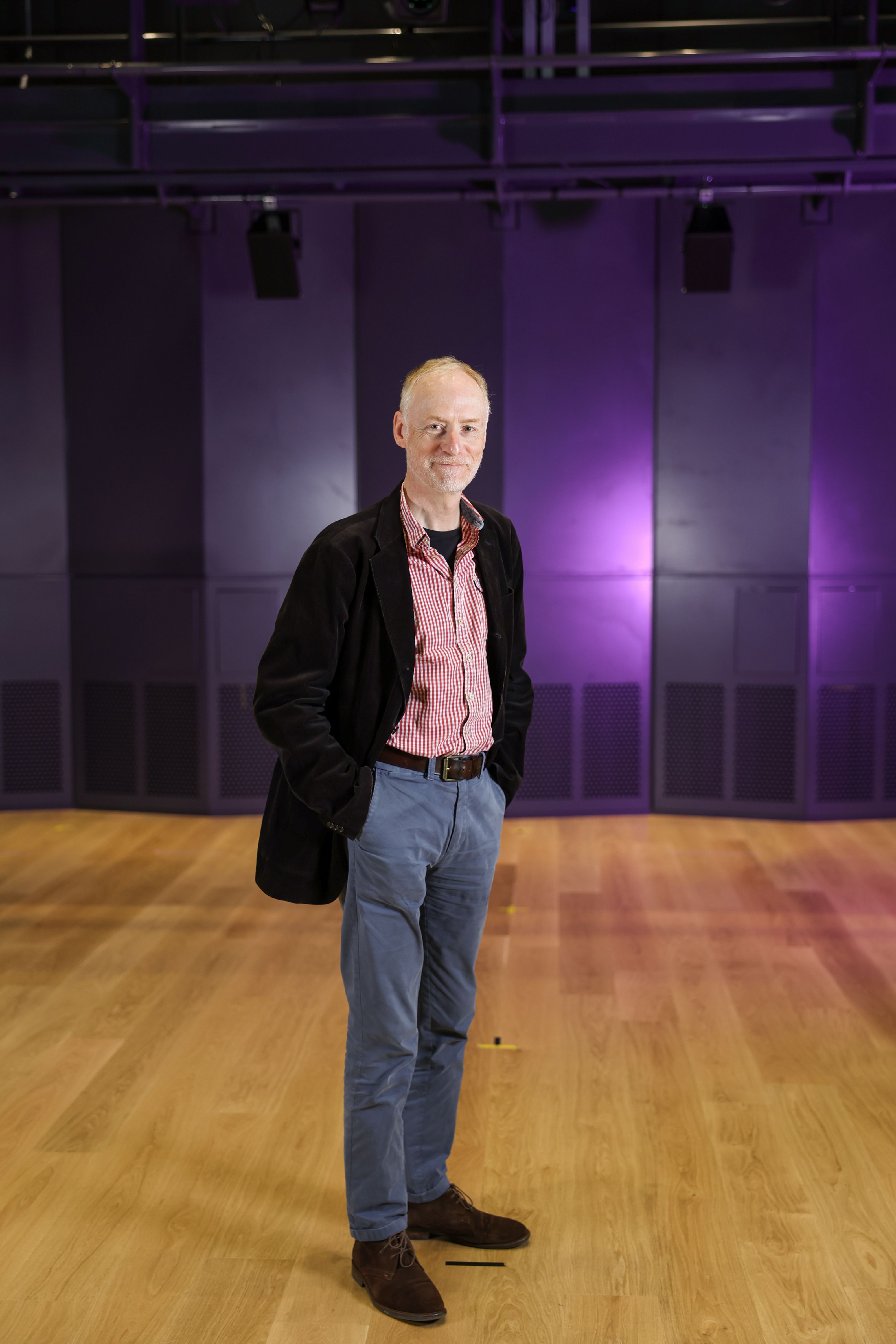
Professor Mark Harris, Andreas Idreos Professor of Science and Religion and Director of the Ian Ramsey Centre, is featured in a University of Oxford 'Pulse' profile exploring his journey from experimental physics to theology and his work at the intersection of science, religion and the humanities.
The interview traces his career from the discovery of spin ice to his current work leading the Quantum Worldviews Project, which brings together scholars from theology, philosophy, history, education and the social sciences to explore what quantum mechanics might mean for our understanding of reality, identity and purpose. Professor Harris also discusses why the familiar idea of science and religion as opposing forces is too simplistic, and how the ‘quantum humanities’ could offer new ways of thinking about the meaning and implications of quantum mechanics.
Read the full University of Oxford Pulse profile here.